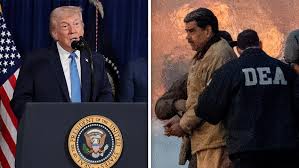
U.S.–Venezuela standoff grows as Trump pushes on oil and prisoners
U.S.–Venezuela Tensions Escalate as Trump Pressures Maduro Over Oil, Prisoners and Geopolitics
Updated January 10, 2026
Tensions between the United States and Venezuela have surged into a multifaceted geopolitical standoff involving demands over oil, prisoner releases, and growing domestic resistance to unilateral U.S. executive action.
Prisoner Releases and U.S. Military Posture
In recent days, Venezuela released at least 18 individuals previously detained in politically sensitive cases, a move Washington celebrated as a “positive sign” amid heightening tensions. The release comes after threats of further U.S. military action, though President Donald Trump has paused a planned second wave of strikes following the developments, framing them as a potential step toward de-escalation.
The prisoner releases appear linked to U.S. pressure tactics that also included the seizure of multiple oil tankers connected to Venezuelan oil exports — part of a broader effort by Washington to choke off revenue streams to the Maduro government.
Demands on Geopolitical Alignment
Beyond these focused actions, the Trump administration has taken a harder geopolitical line. Senior U.S. officials say Trump has demanded that Venezuela expel China and Russia from joint ventures and commit to oil partnerships primarily with the U.S. as a condition for economic cooperation and rebuilding its oil production infrastructure.
This approach reflects Washington’s broader strategic design to counter Chinese and Russian influence in Latin America — a region long considered within the U.S. sphere of influence.
Oil Industry Interests and Strategic Challenges
U.S. oil firms, especially Chevron, have been actively engaged behind the scenes. Chevron has lobbied to maintain or expand its foothold in Venezuelan oil production, pressing Trump officials on the long-term value of U.S. energy industry participation. However, many executives remain cautious given the nation’s degraded infrastructure, political risk, and ongoing sanctions.
The mix of private sector interests and hard geopolitical levers underscores how Venezuela’s vast oil reserves have again become a central axis of U.S. foreign policy.
Domestic U.S. Political Pushback
Not all of Trump’s Venezuela policy has received assent from U.S. lawmakers. The Senate recently advanced a war powers resolution aimed at reining in executive authority over military engagement with Venezuela. This bipartisan move reflects concern among legislators over unilateral military action without clear congressional authorization.
The resolution, if passed, could significantly constrain the administration’s ability to conduct further kinetic operations related to Venezuela without legislative approval.
Broader Regional Response
Trump’s diplomatic posture has also drawn criticism from other Latin American leaders. Colombia’s president, for example, warned that prolonged foreign pressure could destabilize Venezuelan society rather than foster reform — underscoring regional unease with external interventionist strategies.
What’s Next?
Officials in Washington and Caracas are signaling that the next phase of interaction may pivot on further oil negotiations, economic concessions, and potential mediation frameworks. How Venezuela positions itself between global powers — especially China and Russia — will likely shape the trajectory of any U.S. engagement.
For now, the suspension of additional strikes and the release of prisoners provide a narrow window for diplomacy. Yet ongoing domestic political battles in the U.S. and entrenched geopolitical rivalries suggest the confrontation is far from resolved.