The Future of Self-Driving Cars: What Lies Ahead
The Future of Self-Driving Cars: What Lies Ahead
Self-driving cars are no longer just a futuristic concept imagined in science fiction. They are steadily becoming part of today’s transportation landscape, powered by rapid advances in artificial intelligence, sensors, and computing. While fully autonomous vehicles are not yet common on everyday roads, the direction is clear: the future of mobility will be increasingly automated, connected, and intelligent.
From Assisted Driving to Full Autonomy
Most modern vehicles already feature elements of automation such as adaptive cruise control, lane-keeping assistance, and automatic emergency braking. These systems represent early stages of autonomy, where the car assists the driver rather than replaces them.
The long-term goal is full autonomy—vehicles that can navigate roads, traffic, and weather conditions without human intervention. Industry experts often describe this journey in levels, from partial automation to fully self-driving cars capable of operating anywhere, at any time. Today, most consumer vehicles remain in the middle stages, but pilot programs for higher levels of autonomy are expanding in controlled environments like specific cities or highways.
Why Self-Driving Cars Matter
The push toward autonomous vehicles is driven by more than convenience. One of the strongest arguments is safety. Human error is responsible for the vast majority of road accidents worldwide. Self-driving systems do not get tired, distracted, or impaired, and they can react faster than humans in critical situations.
Autonomous vehicles also promise increased mobility for people who cannot drive due to age, disability, or health conditions. In addition, optimized driving patterns could reduce traffic congestion, fuel consumption, and emissions—especially when combined with electric vehicle technology.
The Technology Behind the Wheel
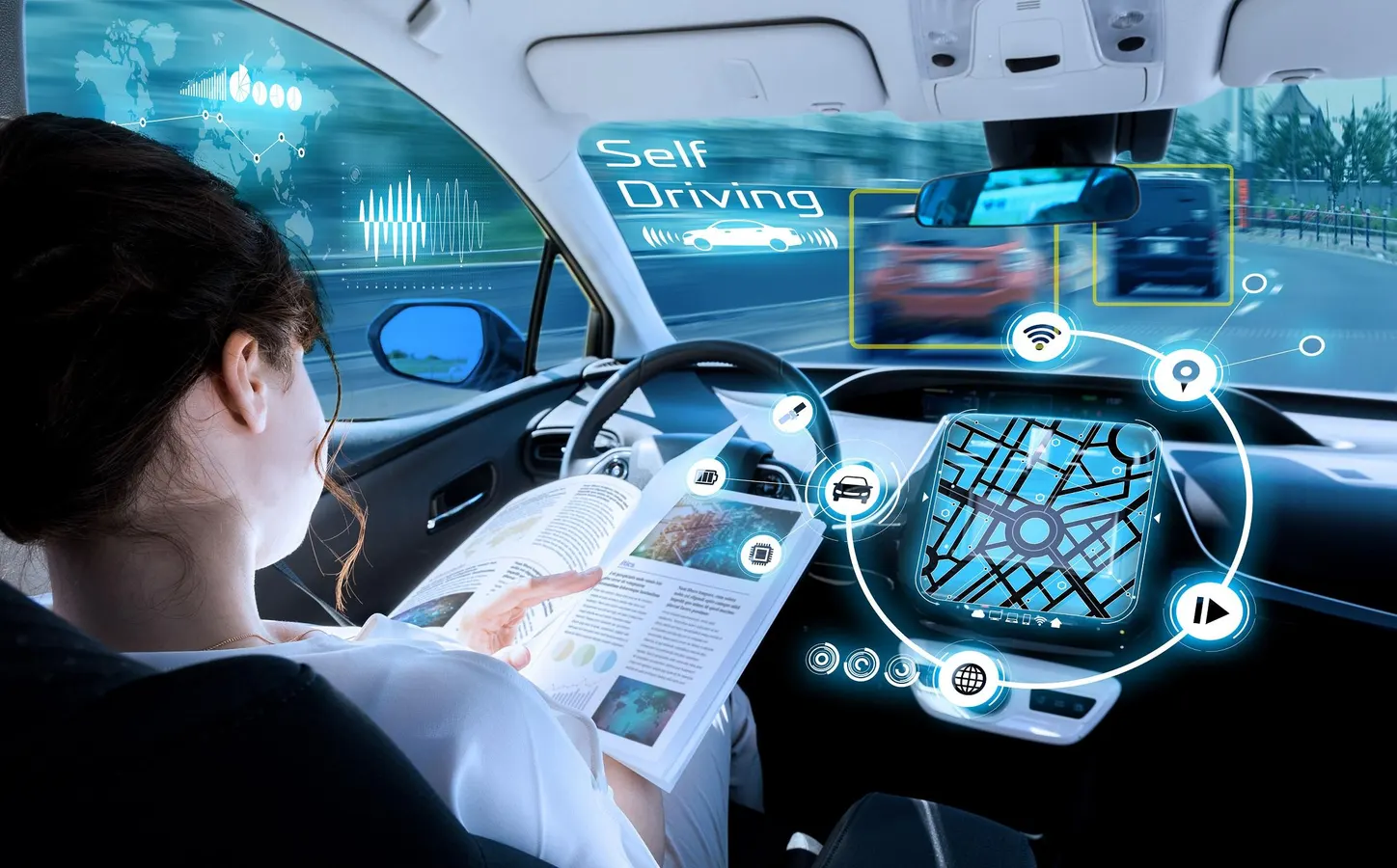
Self-driving cars rely on a complex stack of technologies working together. Cameras, radar, and LiDAR sensors help vehicles “see” their surroundings. Artificial intelligence processes this data in real time, identifying pedestrians, vehicles, road signs, and potential hazards. High-definition maps and GPS provide precise positioning, while powerful onboard computers make split-second driving decisions.
Over time, these systems improve by learning from millions of miles of real-world and simulated driving data, making autonomous vehicles increasingly capable and reliable.
Challenges Slowing Adoption
Despite impressive progress, significant challenges remain. Autonomous systems still struggle in complex or unpredictable environments such as heavy rain, snow, poorly marked roads, or chaotic traffic conditions. Legal and regulatory frameworks also vary widely across countries, slowing large-scale deployment.
There are also ethical and legal questions to resolve. Who is responsible if a self-driving car causes an accident—the manufacturer, the software developer, or the owner? Gaining public trust is another hurdle, as many people remain cautious about handing full control to machines.
Economic and Social Impact
The widespread adoption of self-driving cars could reshape entire industries. Transportation and logistics may become more efficient, while ride-hailing and delivery services could rely heavily on autonomous fleets. At the same time, professions such as truck driving and taxi services may face disruption, making workforce retraining and policy planning essential.
Cities themselves may change as well. Reduced need for parking spaces and smoother traffic flow could influence urban design, freeing up space for housing, green areas, and pedestrian infrastructure.
Looking Ahead
The future of self-driving cars will not arrive overnight. Instead, it will unfold gradually through incremental improvements, regulatory adjustments, and growing public acceptance. In the near term, drivers can expect smarter assistance systems and limited autonomous services. In the long run, fully self-driving vehicles may become a normal part of daily life.
Ultimately, self-driving cars represent more than a technological upgrade—they signal a fundamental shift in how society approaches transportation. As innovation continues, the challenge will be ensuring that this future is safe, inclusive, and beneficial for everyone.