Indonesia, Nigeria, and Ecuador Set to Replace Ghana as the World’s Largest Cocoa Producers
Indonesia, Nigeria, and Ecuador Set to Replace Ghana as the World’s Largest Cocoa Producers
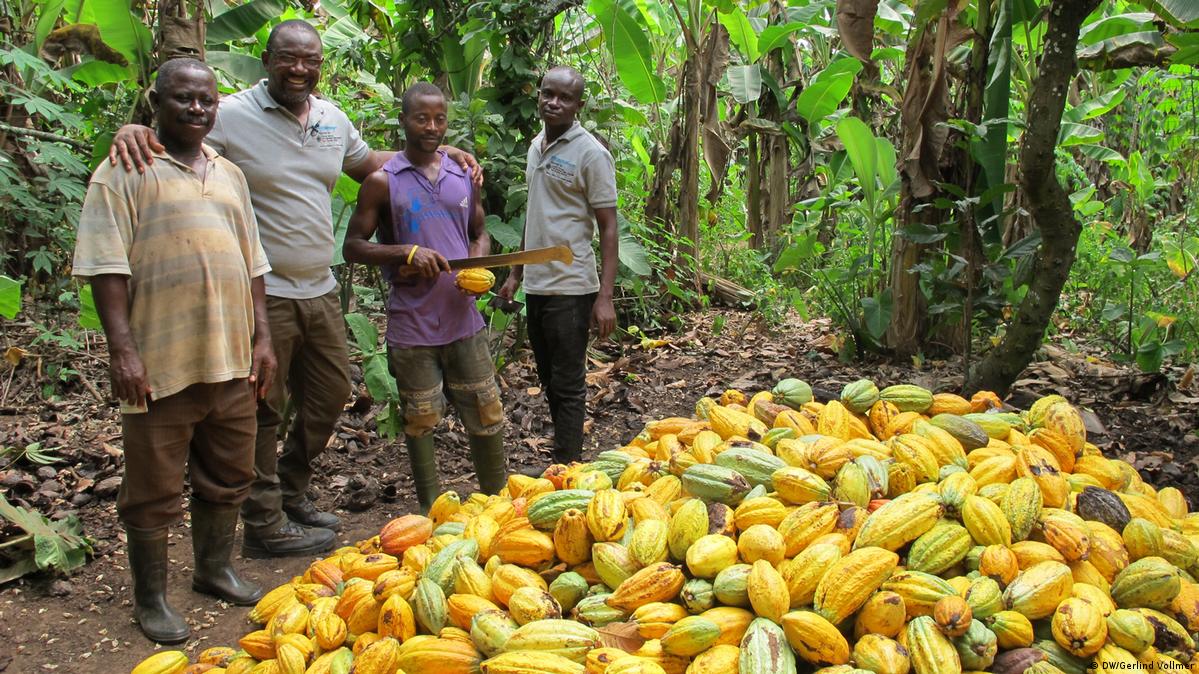
The global cocoa industry is undergoing a historic transformation as Indonesia, Nigeria, and Ecuador rapidly expand production and position themselves to overtake Ghana, long regarded as one of the world’s cocoa powerhouses.
A Shift in the Global Cocoa Order
For decades, Ghana has been a cornerstone of global cocoa supply, known for both volume and quality. However, recent challenges — including aging cocoa trees, climate change, plant diseases, rising production costs, and illegal mining activities — have significantly reduced output. These pressures have opened the door for other cocoa-producing nations to rise.
Indonesia’s Strategic Expansion
Indonesia has steadily increased cocoa production through improved farming techniques, hybrid seedlings, and government-backed agricultural programs. By focusing on productivity and disease-resistant crops, the country is strengthening its position as a leading Asian supplier to global chocolate manufacturers.
Nigeria’s Cocoa Revival
Nigeria is experiencing a cocoa resurgence driven by renewed investment in agriculture, youth participation in farming, and expansion of export-focused production. With vast arable land and favorable growing conditions, Nigeria is quickly becoming a dominant force in West Africa’s cocoa economy.
Ecuador’s High-Yield Advantage
Ecuador stands out for its high-yield cocoa varieties and premium-quality beans, especially the globally sought-after Arriba Nacional cocoa. Strong export infrastructure and consistent production growth have enabled Ecuador to challenge traditional African producers in both volume and quality.
What This Means for the Global Chocolate Market
The rise of Indonesia, Nigeria, and Ecuador is reshaping cocoa supply chains worldwide. Chocolate makers and commodity traders are diversifying sourcing strategies, while prices remain sensitive to production disruptions in legacy markets like Ghana. This shift could lead to greater competition, new trade partnerships, and evolving quality standards across the industry.
The Road Ahead
While Ghana remains a key player with deep expertise and global influence, the momentum is clearly shifting. If current trends continue, Indonesia, Nigeria, and Ecuador could redefine global cocoa leadership, marking a new era in one of the world’s most valuable agricultural markets.
In summary:
The global cocoa race is no longer dominated by tradition alone. Innovation, investment, and adaptability are driving a new generation of cocoa giants — and the world’s chocolate supply is changing as a result.
If you want, I can also turn this into a short LinkedIn or Instagram news post, or add market and price implications for investors and agribusiness leaders.
Don’t forget to follow us @bigblogreport.com or www.bigblogreport.com