Digital Wealth & Smart Income: How Money Is Really Made in the Modern Age
Digital Wealth & Smart Income: How Money Is Really Made in the Modern Age
The definition of wealth is changing. In the digital age, money is no longer tied strictly to physical labor, fixed locations, or traditional career paths. Instead, wealth is increasingly built through systems, platforms, and intellectual assets that scale far beyond the individual. This shift has given rise to what BiBLOG Report calls digital wealth and smart income.
This is not about quick riches or online hype. It is about understanding how value is created, multiplied, and sustained in a technology-driven world.
From Working for Money to Building Assets
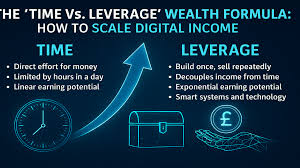
For decades, income followed a simple formula: work more hours, earn more money. Digital technology has disrupted this model. Today, the most powerful income streams are not time-based, but asset-based.
Digital assets—such as software, content platforms, online businesses, intellectual property, and data-driven systems—can generate income repeatedly without being rebuilt each time. This is the core difference between earning a living and building wealth.
Smart income flows from ownership, not effort alone.
The Rise of One-Person Scalable Businesses
One of the most striking developments of the digital era is the rise of individuals running businesses that once required entire teams. A single creator can launch a newsletter read by millions, an app used globally, or a digital product sold around the clock.
Technology enables automation, global distribution, and low operating costs. When these elements combine, income becomes scalable. This is why many of today’s digital millionaires began with just one focused idea executed intelligently.
Why Smart Income Is About Leverage, Not Luck
Contrary to popular belief, digital wealth is not built on viral moments alone. Sustainable smart income depends on leverage—using tools, systems, and platforms to multiply output.
Leverage can take many forms:
- Technology that automates processes
- Media that reaches large audiences
- Capital that compounds over time
- Knowledge packaged into repeatable value
The most successful individuals are not necessarily the hardest workers, but the most strategic builders.
The Illusion of Passive Income
The term “passive income” is often misunderstood. In reality, most smart income streams are active at the beginning and automated later. They require planning, testing, refinement, and consistent decision-making before becoming efficient.
Digital wealth rewards patience and systems thinking, not shortcuts. Those who treat it as a long-term strategy, rather than a quick escape, are the ones who succeed.
Technology Is a Tool, Not a Guarantee
Access to technology alone does not create wealth. Millions use the same platforms, yet only a few build lasting income from them. The difference lies in clarity of purpose, execution, and value creation.
Digital wealth favors those who solve real problems, build trust, and adapt as technology evolves. Tools change quickly; principles do not.
BiBLOG Report’s Perspective
At BiBLOG Report, digital wealth is not about chasing trends—it is about understanding how money moves in a connected world. Smart income is built where technology, ownership, and human judgment intersect.
The future belongs to those who create systems that work for them, rather than working endlessly within systems they do not control.
In the modern age, wealth is no longer defined by how hard you work—but by how intelligently you build.