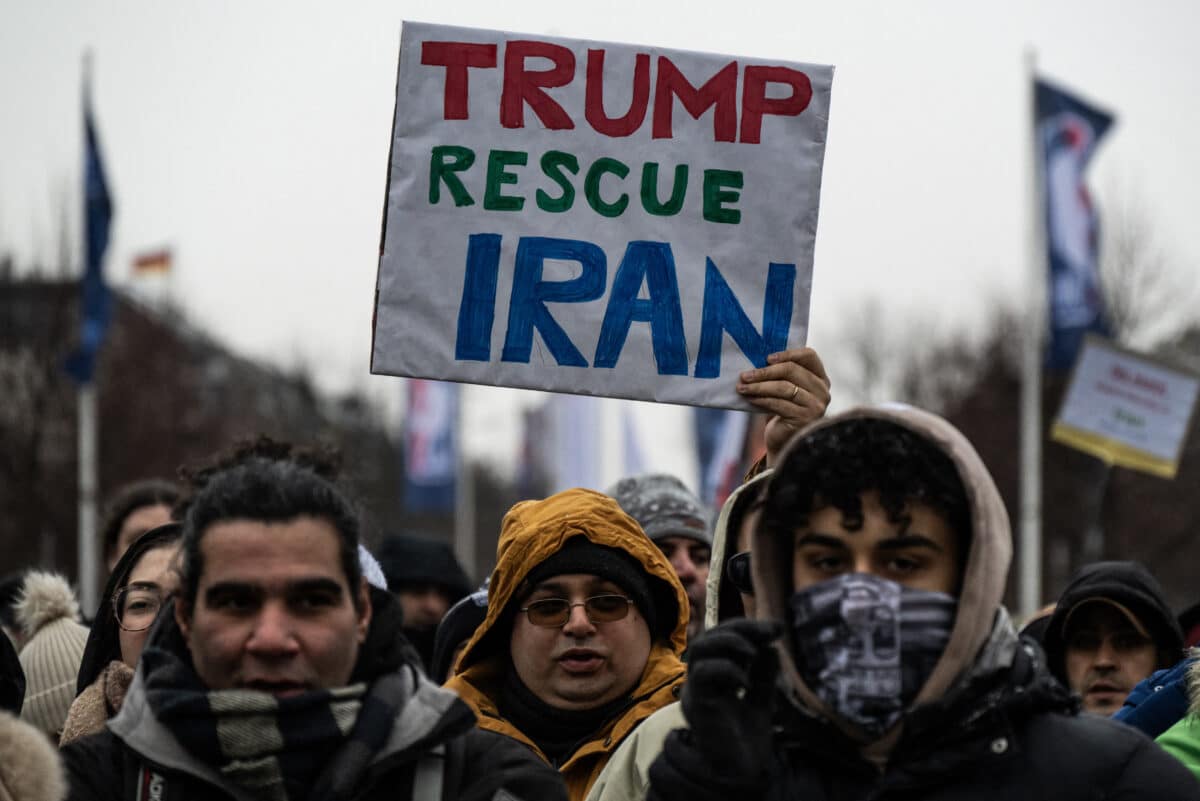
Inside Iran’s Deepening Crisis: What the Protests Reveal Beyond the Headlines
Inside Iran’s Deepening Crisis: What the Protests Reveal Beyond the Headlines
Iran is once again at the center of global attention, but the full story behind the ongoing unrest goes far deeper than street protests and security crackdowns. Beneath the images of demonstrations and riot police lies a complex crisis shaped by economic collapse, political rigidity, and years of unresolved public frustration.
An investigation by BiBLOG Report reveals that the current upheaval is not a sudden explosion—it is the result of long-standing structural failures now reaching a breaking point.
Protests That Didn’t Start Overnight
While the government has framed the unrest as foreign-instigated chaos, interviews, reports, and economic data suggest otherwise. The protests were triggered by immediate economic pressures—currency devaluation, inflation, unpaid wages—but their roots stretch back years.
Iran’s rial has steadily lost value, eroding savings and pushing basic goods out of reach for ordinary citizens. Food prices, rent, and energy costs have surged while wages stagnated. For many families, daily life has become an exercise in survival.
What distinguishes this wave of protests is its geographic spread and social diversity. Demonstrations are not confined to major cities or elite groups. They have emerged in working-class neighborhoods, provincial towns, universities, and marketplaces—suggesting a nationwide loss of confidence rather than isolated dissent.
The State’s Response: Control Over Reform
Instead of addressing economic grievances publicly, authorities moved quickly to contain the unrest. Internet shutdowns, mobile network restrictions, and information blackouts were imposed, limiting both organization and independent reporting.
Security forces were deployed with sweeping authority. Human rights organizations and medical sources report widespread injuries consistent with live ammunition use. Hospitals have reportedly treated large numbers of protesters with gunshot wounds, while mass arrests continue.
The government has not released transparent casualty or detention figures, raising questions about accountability and oversight.
Following the Money: Economic Pressure and Power Structures
At the center of public anger is not just poverty, but perceived inequality. Investigations into Iran’s economic structure show that while ordinary citizens struggle, powerful institutions remain insulated from hardship.
Sanctions have played a role, but experts note that internal mismanagement, corruption, and lack of economic reform have compounded the damage. State-linked enterprises and elite networks continue to dominate key sectors, leaving limited opportunity for private growth or job creation.
For many protesters, the issue is not only economic pain—it is who bears it and who does not.
The Narrative War
Iranian officials have repeatedly blamed foreign governments and media for inciting unrest. While external pressure exists, analysts say this explanation oversimplifies the reality on the ground.
The scale, persistence, and domestic nature of the protests suggest genuine internal discontent. By framing the crisis solely as foreign interference, critics argue, the government avoids confronting deeper structural problems.
This narrative battle—between state messaging and lived experience—has become as significant as the protests themselves.
International Pressure and Strategic Consequences
As reports of violence emerged, international responses followed swiftly. European leaders signaled further sanctions, while Western governments condemned the crackdown and warned against executions.
These actions, while symbolic, risk further isolating Iran economically—potentially worsening the very conditions that sparked the unrest. At the same time, Iran’s strategic role in regional security and global energy markets makes prolonged instability a global concern.
Oil prices have already shown sensitivity to developments inside the country, reflecting fears of broader disruption.
A System Under Strain
The current crisis exposes a fundamental tension within Iran’s political system: control versus legitimacy. Security measures may suppress protests temporarily, but they do not resolve the economic and social pressures fueling them.
History suggests that unrest of this scale rarely fades without meaningful change—either through reform, repression, or prolonged instability.
BiBLOG Report’s Investigation Concludes
What is happening in Iran is not merely a protest movement—it is a stress test of governance, economic resilience, and public trust. The outcome will shape not only Iran’s future but also regional stability and global diplomacy.
At BiBLOG Report, our investigation indicates that without transparency, economic reform, and accountability, the cycle of unrest is likely to continue—quietly or explosively.
This is no longer just a domestic issue. It is a warning signal with global consequences.