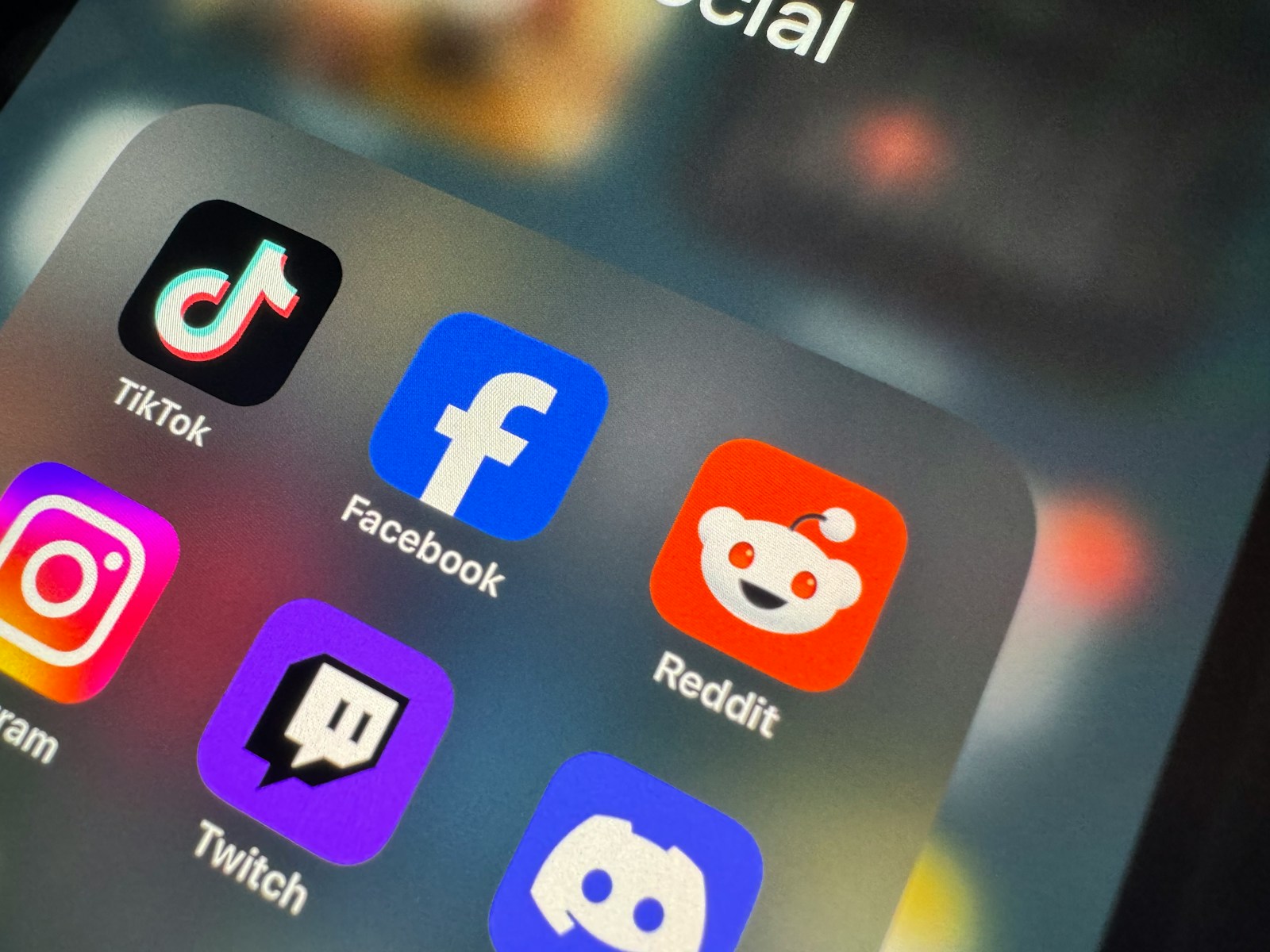
The Real Cost of Free Apps and Services
Free apps fill your phone. Free services run your digital life. You don’t pay for Facebook, Instagram, Gmail, Google Search, TikTok, or thousands of other platforms and applications you use daily. This feels like an amazing deal where technology companies provide valuable services asking nothing in return. The reality couldn’t be more different. These free services extract payment in ways far more valuable to companies and potentially more costly to you than simple subscription fees would be.
The famous saying “if you’re not paying for the product, you are the product” perfectly captures the economics of free digital services. Companies don’t offer sophisticated platforms requiring billions in development and infrastructure costs because they’re generous. They do it because your attention, data, and behavior generate revenue exceeding what they could charge in subscription fees. Understanding exactly what you’re trading for free services matters because the exchange happens invisibly without your informed consent.
The costs of free apps and services extend beyond data collection into time consumption, mental health impacts, privacy erosion, and behavioral manipulation designed to maximize company profits at your expense. Once you understand the actual economics and consequences of free digital services, many stop looking like good deals and start looking like exploitative arrangements where you give far more than you receive. Let’s examine what you’re really paying when apps and services claim to be free.
Your Data Is the Currency
The primary way free apps and services make money is collecting and monetizing your personal data. Every interaction, search, click, location, message, and behavior gets tracked, analyzed, and converted into detailed profiles sold to advertisers or data brokers. Research shows free apps share seven times more data points than paid apps. You’re not getting services for free. You’re paying with continuous surveillance of your digital life.
The data collection goes far beyond what’s necessary for services to function. Social media platforms track your location even when you’re not using the app. Messaging services scan your conversations. Search engines build profiles of your interests, concerns, and habits. Free apps typically request access to significantly more user data than paid alternatives, demanding permissions to contacts, microphone, camera, and location that have nothing to do with core functionality.
This data gets sold, shared, and aggregated in ways you never explicitly agreed to and probably can’t even imagine. Data brokers combine information from multiple sources to build comprehensive profiles knowing more about you than your closest friends. These profiles predict your behavior, vulnerabilities, and future actions with disturbing accuracy. Your data contributes to systems that manipulate your decisions, target you with precision advertising, and potentially discriminate against you in employment, insurance, or credit decisions.
Companies aren’t transparent about how extensively they collect data or what they do with it. Privacy policies written in impenetrable legal language disguise the reality that you’re consenting to comprehensive surveillance. Most people have no idea how much data gets collected, who has access to it, or how it’s being used. The asymmetry of information means you can’t make informed decisions about whether the trade is worth it.
Attention Extraction Is the Business Model
Free apps and services are designed to maximize the time you spend using them because attention translates directly to revenue through advertising. Every feature, notification, and algorithm optimization serves the goal of keeping you engaged longer. Research found procrastination was the biggest hidden cost of free apps, followed by sleep deprivation, reduced focus, apps taking time from physical contact with friends, hobbies, and exercise.
The average person checks their phone hundreds of times daily, spending hours scrolling through feeds engineered to be addictive. This isn’t accidental. Companies employ teams of psychologists and behavioral scientists to make apps as compelling and hard to resist as possible. Features like infinite scroll, variable reward schedules, and social validation through likes trigger the same brain systems activated by gambling and substance use.
The time cost of free services represents enormous value extraction. Hours spent daily on social media, video platforms, and other free services amount to thousands of hours annually that could be spent on productive work, meaningful relationships, learning, exercise, or rest. Companies profit from your time while you receive entertainment and connection that’s engineered to be maximally compelling but not necessarily valuable or fulfilling.
This attention extraction creates opportunity costs that compound over years. The person spending three hours daily on free apps loses over one thousand hours annually that could build skills, improve health, strengthen relationships, or pursue goals. The monetary value of that time far exceeds what reasonable subscription fees would cost, but because the cost is invisible and diffuse, people don’t recognize they’re making an expensive trade.
Privacy Erosion Happens Gradually
Free services systematically erode privacy by normalizing surveillance and data collection. Each new app requesting intrusive permissions pushes boundaries slightly further. Over time, comprehensive tracking of location, communications, browsing, purchases, and behavior becomes accepted as the price of using technology. The steady erosion of personal privacy represents a cost that’s difficult to quantify but increasingly concerning.
Many apps collect far more information than they need to operate. Social media platforms don’t just record likes and comments, they track your location, browsing history, and in some cases access your microphone raising concerns about apps listening to conversations. Weather apps demand location tracking even when not in use. Flashlight apps request access to contacts and messages. These intrusive permissions exist purely to collect data for monetization.
The collected data persists indefinitely creating permanent records of your behavior, interests, and activities. Mistakes, embarrassing moments, and private information become permanent parts of digital profiles used to judge and categorize you. Data breaches regularly expose this information to criminals. The long term consequences of comprehensive data collection remain unknown because we’re living through the first generation to have their entire lives digitally documented and monetized.
Users prefer to make one time purchases of favorite apps to protect privacy over using services that are free but collect personal data. This preference reveals people would pay reasonable fees to avoid surveillance if given clear choices. However, free services dominate because most users don’t understand the extent of data collection or its implications until it’s too late.
Behavioral Manipulation Is Built In
Free services don’t just collect data passively, they use it to manipulate your behavior for profit. Algorithms determine what content you see, when notifications arrive, and how information presents itself, all optimized to keep you engaged and spending money. The manipulation happens invisibly using psychological principles and your own data against you to influence decisions and behaviors.
Targeted advertising uses detailed profiles to identify your vulnerabilities, insecurities, and desires then exploits them to sell products. Algorithms detect when you’re likely to be emotional, impulsive, or susceptible to particular pitches then serve ads at those moments. This isn’t neutral information delivery but sophisticated psychological manipulation using your data to make you more likely to purchase.
Social media platforms manipulate your emotional state by controlling what content appears in your feed. Algorithms can make you feel happy, angry, anxious, or inadequate by selecting which posts you see. Research shows platforms experiment with showing users more positive or negative content to measure effects on mood and engagement. You’re a subject in ongoing behavioral experiments you never consented to.
The long term effects of constant behavioral manipulation remain unclear but concerning. When algorithms optimize for engagement over wellbeing, they discover that making users anxious, outraged, or insecure keeps them engaged longer than making them happy or content. Free services systematically manipulate users toward emotional states that benefit platforms financially regardless of psychological costs to users.
Hidden Costs Beyond Data and Attention
Free apps impose costs beyond obvious data collection and time consumption. Reduced focus and cognitive capacity from constant notifications and interruptions harm productivity and learning. Sleep deprivation from late night scrolling affects physical and mental health. Decreased face to face social connection as digital interaction replaces in person relationships creates isolation despite apparent connectivity.
Mental health impacts from social media use include increased anxiety, depression, and body image issues particularly among young users. The constant social comparison and validation seeking engineered into free platforms creates psychological harm that would be unacceptable if it came from paid services. However, because services are free, users feel they can’t complain about negative effects.
Security risks increase with free services that may not properly protect user data or systems. Free VPN services that fund themselves by logging and selling your browsing data defeat the purpose of using VPNs. Free antivirus software bundled with spyware protects your device while monitoring everything you do. The savings from free services often come at the expense of security and reliability.
Opportunity costs mount as free services crowd out paid alternatives that might serve users better. When everyone uses free social media, alternatives can’t gain traction even if they offer better privacy or experiences. The dominance of free services funded by data collection and advertising prevents development of healthier business models that align company incentives with user wellbeing.
The Economics Work Against You
Free services create incentive misalignment where companies profit by doing things that harm users. More engagement benefits companies even when it degrades your life quality. More data collection increases company value while eroding your privacy. More manipulation converts better but makes you worse off. The fundamental economics of advertising funded free services mean company success comes at your expense.
Subscription services align incentives better because companies profit by providing value you’re willing to pay for directly. If a paid service becomes less useful or starts harming you, you cancel and they lose revenue. This creates pressure to serve user interests. Free services face no such pressure because you’re not the customer, you’re the product being sold to advertisers.
The actual monetary cost of free services if you calculated the value of data collected, time consumed, and behavioral manipulation would shock most users. Research suggests users would prefer paying reasonable subscription fees to protect privacy and avoid manipulation. However, once free services dominate markets, transitioning to paid models becomes difficult even when users would theoretically prefer them.
Companies offering free services invest billions in infrastructure and development not from generosity but because the data and attention they extract exceeds their costs. If these were bad deals for companies, free services wouldn’t exist. The fact that free models dominate tech means companies extract more value from users than they provide in service value. You’re losing on this trade even if it doesn’t feel that way.
Some Free Services Are Worth It
Not all free services are predatory or harmful. Many provide genuine value with reasonable data practices and benign business models. Open source software funded by donations or grants offers free alternatives without surveillance. Some free tiers of services that also offer paid options provide basic functionality without excessive data collection. Library services and educational resources funded by institutions offer free access without monetizing users.
The key is understanding what you’re trading and making informed decisions about whether specific free services are worth their costs. Email service that scans your messages for advertising might be acceptable if you value the convenience. Social media might be worth privacy costs if it maintains valuable relationships you can’t sustain otherwise. Search engines that track your queries might be reasonable trade offs for useful results.
However, making informed decisions requires understanding actual costs and practices. Most users lack this information because companies deliberately obscure data practices and manipulation tactics. Demanding transparency about what data gets collected, how it’s used, who accesses it, and what effects services have on users would enable genuine informed consent about whether trades are worthwhile.
Taking Back Control
You can’t completely escape free services without leaving modern digital life, but you can reduce their costs through conscious choices. Use privacy focused alternatives when available even if they cost money or have fewer features. Services like ProtonMail for email, Signal for messaging, and paid social networks offer better privacy at modest costs. The subscription fees are far less than the value you give free alternatives in data and attention.
Minimize permissions granted to free apps, only allowing access to data necessary for core functionality. Question why a weather app needs your contacts or why a game needs your location. Use privacy settings to limit tracking though recognize these provide incomplete protection since companies track you regardless of settings through less obvious methods.
Delete apps and services you rarely use since they collect data even when inactive. Reduce time spent on engineered addiction loops by setting limits, disabling notifications, and deliberately choosing when you engage rather than responding to every ping. Replace free services with paid alternatives for your most important uses where privacy and attention matter most.
Read privacy policies at least superficially to understand what you’re agreeing to even though companies write them to be incomprehensible. Support regulation requiring transparency, limiting data collection, and forcing companies to align incentives with user wellbeing. The current system exists because companies maximized profits without meaningful constraints on exploitation.
Nothing Is Actually Free
The fundamental lesson about free apps and services is that you always pay. The question isn’t whether free services cost you but whether the costs are worth the benefits and whether you’re making this trade knowingly or being exploited through designed confusion. Most free services would fail if users understood their true costs and had viable alternatives.
The dominance of surveillance capitalism and attention extraction as business models represents market failure where companies profit by imposing costs on users who can’t properly evaluate or avoid these harms. Recognizing that free services are actually expensive in ways that matter more than money creates the awareness needed to protect yourself and demand better alternatives that align company success with user flourishing instead of opposition.